The rise of China’s economic power since the past decade has raised concerns regarding the ability to sustain such growth and whether it will be able to overtake the US as the global reserve currency. The Chinese currency Yuan broke into the top five as a world payment currency in November last year, overtaking the Canadian dollar and the Australian dollar. No doubt China has surpassed the US as the world’s largest economy (in raw terms, not adjusted for purchasing power) but there are uncertainties looming in the air such as the stability of the Chinese Currency. 2 months ago, the People’s Bank of China imposed a one-time depreciation of nearly 2 percent on the Yuan to levels last seen three years ago against the dollar. The move executed by the PBOC has affected global markets, with the Shanghai composite plunging 23 percent since hitting a seven-year high on June 12.
Speculations about the reason behind the Yuan devaluation were China’s growth, which stood at its slowest pace in 6 years at the start of 2015. In order to offset the sluggish growth, China devaluated the Yuan in order to boost its exports. On the other side, the US sees the Yuan devaluation as a threat to its exports. No doubt the US could counter China’s move by devaluating its own reserves through inflation but by doing so, it risks waging a currency war against China. The Chinese has warned the US that they will not tolerate dollar inflation (which destroys the value of these Chinese holdings of US debt) and will take countermeasures to prevent a loss of wealth. Chances are that the US will be the loser in this battle if it happens.
Truth is, the Chinese have been preparing for this for a very long time. While figures on China’s purchases of US Treasury bonds are difficult to estimate, the vast majority of China’s dollar holdings are in the US Treasury bonds, notes and bills. The tremendous amount of US debt that China accumulated gives them a lot of power over the US currency as well as its financial system. Besides the financial leverage, the Chinese have also been buying up businesses, real estates and energy assets all over the US. Someday if the Chinese were to undermine confidence in the US currency and its financial system, they have a lot of ammunition at their disposal. Of course, China would never risk dumping US Treasury securities all at once because it has far too many of them. Doing it is economic suicide for the Chinese, as it will incur huge losses. That is not to say that there is nothing the Chinese could do to suppress the US economy. The Chinese could shift the mix of their Treasury holdings from longer maturity period to shorter ones without selling a single bond and without reducing their total holdings. This shift would make the Chinese portfolio more liquid, rapidly facilitating an exit from the Treasury securities.
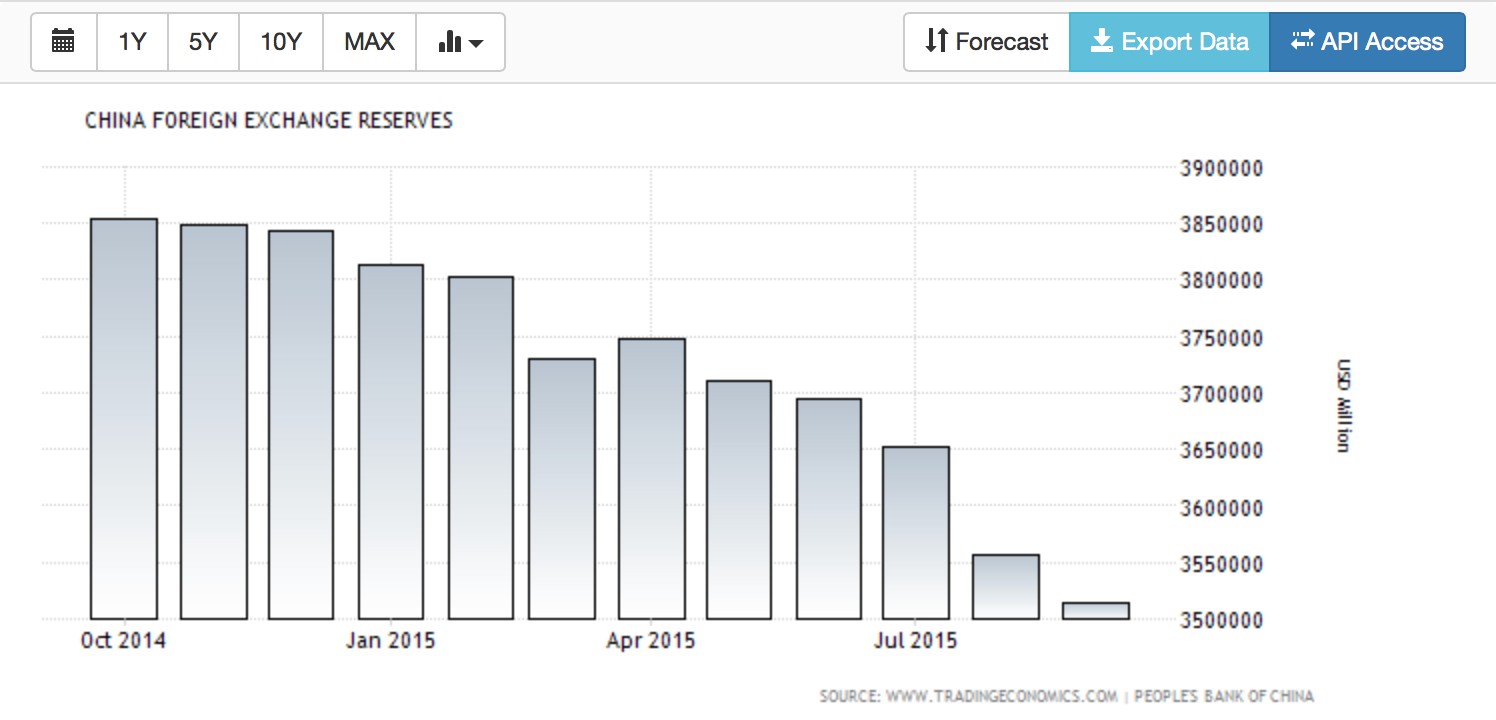
In fact, the Chinese has already started to reduce/diversify dollar-denominated assets into other assets such as gold. Between 2004 and 2009, China secretly doubled its official holdings of gold. It used one of its sovereign wealth funds, the State Administration of Foreign Exchange (SAFE) to purchase gold discretely from dealers. Since SAFE is not the same as the Chinese central bank, these purchases were off the books from the central bank’s perspective.

When questioned about the secrecy in the gold purchase, China argues that it was to avoid driving up the price of gold due to the adverse market impact that arises when there is a single large buyer in the market. Could there be any other financial operations that are being pursued by China in secrecy today?
Despite China’s slowdown of growth, its influence on US currency still remains. China’s posture toward the US dollar is likely to become more aggressive as it diversifies its reserves.


 baatbaakman.blog